Homemade Baby Foods: Nurturing Your Little One with Nutritious Delights
Introducing solid foods to your baby is one of those milestones that feels both exciting and a little overwhelming. One day, it’s all bottles or breastfeeding — and the next, you’re thinking about first bites, new textures, and tiny spoons.
While store-bought baby food is convenient, many parents find comfort and joy in preparing homemade meals for their little ones. It’s not about being perfect — it’s about being intentional. Making baby food at home allows you to know exactly what your baby is eating while creating meals filled with care, love, and nourishment.
If you’ve been considering it, this guide will walk you through everything you need to know to get started with homemade baby food in a simple, realistic way.
Why Choose Homemade Baby Food?
Choosing to prepare baby food at home comes with a variety of benefits — not just for your baby, but for you as well.
Full Control Over Ingredients
When you make your own baby food, you know exactly what’s going into every bite. There’s no guessing about preservatives, added sugars, or unnecessary fillers. You can prioritize fresh, whole ingredients and even choose organic options if that’s important to you.
Flexibility and Personalization
Every baby is different. Some love sweeter flavors, while others prefer more savory foods. Homemade baby food allows you to adjust textures, flavors, and combinations based on your baby’s preferences, developmental stage, and any dietary sensitivities.
Budget-Friendly Option
Baby food pouches and jars can add up quickly. Preparing food at home — especially when using seasonal produce or items you already have — can significantly reduce costs over time.
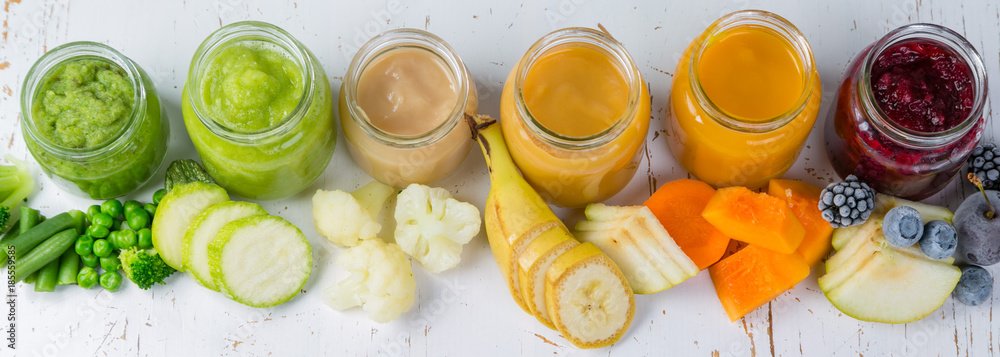
Encourages Early Healthy Habits
Introducing your baby to real, whole foods early on can help shape their palate and encourage healthier eating habits as they grow. It’s a small step that can have a long-term impact.
Getting Started: Tools You’ll Actually Need
You don’t need a fancy kitchen setup to make homemade baby food. In fact, most parents already have everything they need.
Basic Essentials:
Blender or Food Processor: For creating smooth purees or thicker textures as your baby grows. A good blender or food processor makes everything easier when it comes to achieving the right texture for your baby’s food. If you’re just starting out, you don’t need anything overly complicated — just something reliable and easy to clean.
👉 You can check out one of my favorite beginner-friendly options here
Steamer Basket or Pot: Steaming helps preserve nutrients and keeps flavors natural
Storage Containers or Ice Cube Trays: Perfect for portioning and freezing
Soft Spoons & Small Bowls: Helpful when introducing solids
Simple Prep Tips:
Wash all fruits and vegetables thoroughly
Peel and remove seeds or pits when needed
Cook foods until soft enough to mash or blend easily
Add liquid (breast milk, formula, or water) to adjust texture
Starting simple is key — you don’t need complicated recipes to provide great nutrition.
Easy Homemade Baby Food Ideas by Stage
Every baby develops at their own pace, but here are some general ideas based on common feeding stages.
First Foods (Around 6–8 Months)
At this stage, smooth textures are best. Think simple, single-ingredient purees.
Sweet Potato Puree
Steam or roast until soft, then blend until smooth. Naturally sweet and full of nutrients.
Apple & Pear Puree
Steam peeled apples and pears, then blend into a gentle, slightly sweet puree.
Carrot Puree
Steam carrots until tender and blend with a little water or milk for a smooth consistency.
Intermediate Foods (8–10 Months)
Now you can start combining flavors and introducing slightly thicker textures.
Banana & Avocado Mash
No cooking needed — just mash together for a creamy, nutrient-dense meal.
Quinoa Vegetable Blend
Mix cooked quinoa with soft vegetables like peas or carrots for added protein and texture.
Sweet Potato & Apple Mix
A comforting combination that blends sweet and earthy flavors.
Advanced Foods (10+ Months)
As your baby becomes more comfortable with textures, you can introduce more variety and soft chunks.
Chicken & Vegetable Puree
Blend cooked chicken with soft vegetables like broccoli or cauliflower for a protein-rich option.
Oatmeal with Berries
Cook oats and mix with mashed berries for a naturally sweet, fiber-rich meal.
Soft Finger Foods
Small pieces of soft fruits, cooked vegetables, or pasta can help your baby practice self-feeding.
Tips for Making the Process Easier
Making baby food doesn’t have to feel like a daily task. A little planning can go a long way.
Batch Cook When You Can: Prepare multiple servings at once and freeze for later
Keep It Simple: You don’t need elaborate recipes — babies thrive on basic foods
Follow Your Baby’s Lead: Watch for hunger cues and preferences
Don’t Stress About Perfection: Some days homemade works, other days convenience wins — both are okay
Safe Storage and Handling
Food safety is just as important as nutrition when it comes to your baby.
Storage Guidelines:
Store fresh baby food in the fridge for up to 2–3 days
Freeze extra portions in small amounts for easy use
Label containers with dates to keep track
Thawing & Reheating:
Thaw in the refrigerator overnight when possible
Warm gently and stir well to avoid hot spots
Always test temperature before serving
Hygiene Matters:
Wash hands before food prep
Clean all utensils and surfaces thoroughly
Use separate cutting boards for raw meats and produce
Common Questions Parents Have
Do I have to make everything from scratch?
Not at all. Homemade baby food is a great option, but it’s okay to mix in store-bought foods when needed. Balance is key.
What if my baby refuses a food?
That’s completely normal. Babies often need multiple exposures before accepting a new flavor. Keep trying without pressure.
When should I introduce new foods?
Introduce one new food at a time and watch for any reactions, especially when it comes to common allergens.
A Gentle Reminder for Parents
Preparing homemade baby food is a beautiful way to nourish your child — but it doesn’t define your success as a parent.
Whether you make every meal from scratch, use store-bought options, or do a mix of both, what matters most is that your baby is fed, loved, and cared for.
This stage is about exploration, learning, and connection — not perfection.
Final Thoughts
Making homemade baby food can be a rewarding and meaningful experience. From selecting fresh ingredients to watching your baby try new flavors for the first time, each step becomes part of your parenting journey.
You’re not just feeding your baby — you’re introducing them to the world, one bite at a time.
And that’s something truly special.
⚠️ Affiliate Disclosure
This post may contain affiliate links. If you purchase through my links, I may earn a small commission at no extra cost to you.